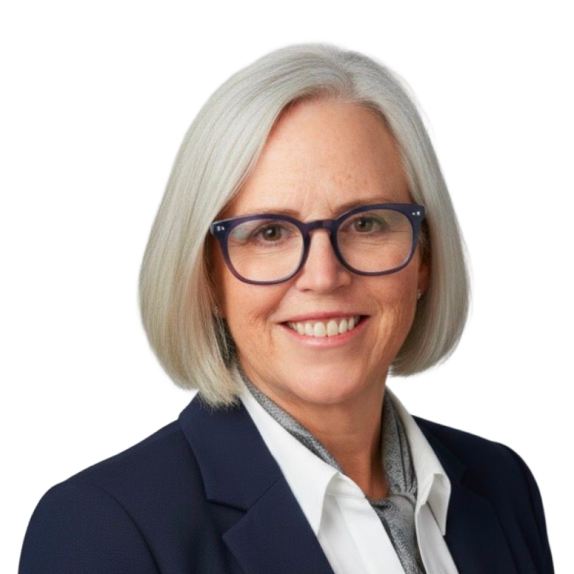
Michelle Freund, PhD
Data Coordinating Center Program Director
Lasso Informatics
Dr. Freund holds a PhD in Neuroscience from Hahnemann University. Following post-doctoral training at Rutgers University and a brief time as an assistant editor at Nature Medicine, she went on to conduct independent research studying monoamine neurotransmitters in actions of antidepressants and their role in substance use disorders. Dr. Freund’s career over the past 20 years has focused on the importance of open science and broad data sharing. In her most recent position she served as Director, Strategic Data Initiatives, where she had oversight of multiple data and research cores of the Child Mind Institute, each focused on providing reproducible scientific results to transform the lives of children and their families. She concurrently held the position of the director of Innovations in Clinical Assessment and Interventions of the Stavros Niarchos Foundation Global Center for Child and Adolescent Mental Health at the Child Mind Institute. This initiative focused on building, testing and deploying digital technologies to expand access to mental health care and research in low- and middle-income countries. From 2019 through 2023, Dr. Freund was the director of the HEALthy Brain and Child Development Study at NIH, the largest longitudinal study of early brain and child development in the United States. Her tenure at NIH included 11 years at NIMH, serving as the deputy director of the Office of Technology Development and Coordination, where she managed a research portfolio of grants focused on the development of novel tools and technologies important for the advancement of basic and translational neuroscience. There, she also served as the director for the NIH NeuroBioBank, a network of six brain and tissue repositories that provide post-mortem human brain samples for research. She was an active member of several trans-NIH interdisciplinary teams such as the NIH BRAIN Initiative and the Blueprint for Neuroscience. Each of these positions provided an opportunity to champion the importance of open sharing of valuable data and biospecimen resources.