IMPACT Network Site Management
Develop and maintain the infrastructure for collaborative IMPACT Network sites.
The Clinical Coordinating Center (CCC) serves as the nucleus of the IMPACT Network, providing both clinical research operations and administrative leadership and oversight. Its purpose is to create an environment where clinical research can be designed, conducted, and disseminated effectively and efficiently.
The CCC ensures oversight of IMPACT Network clinical research operations to deliver the highest quality research through the following core functions:
Develop and maintain the infrastructure for collaborative IMPACT Network sites.
Support the development and standardization of research protocols across all sites.
Ensure all IMPACT Network sites meet regulatory requirements.
Oversee IMPACT Network site data collection, management, and analysis.
Develop and manage strategies to recruit and retain study participants across all sites.
Organize and manage logistical aspects of research studies across the IMPACT Network sites, including distribution of study materials, site visit planning, and communication management.
Act as a liaison to other organizations, including foundations and patient advocacy groups (PAGs), to ensure alignment with study objectives and keep everyone informed.
Manage the compilation and dissemination of study results, deliver reports to stakeholders, and ensure findings are appropriately published or presented.
The CCC is a collaborative effort between two leadership sites—UCLA and Boston Children’s Hospital—and plays a central role in facilitating communication and coordination of clinical research across all IMPACT Network participating sites.

University of California, Los Angeles/ Children’s Hospital Los Angeles.
Dr. Jeste is a behavioral child neurologist specializing in autism and related neurodevelopmental disorders. She is Professor of Pediatrics and Neurology at the USC Keck School of Medicine, and the Las Madrinas Chair, Chief of Neurology and Co-Director of the Neurological Institute at CHLA. After earning a BA in philosophy from Yale University in 1997 and her MD from Harvard Medical School in 2002, Dr. Jeste completed a residency in child neurology and a fellowship in behavioral child neurology at Boston Children’s Hospital. She joined the faculty at UCLA in 2010 and then moved to chief of neurology.
Dr. Jeste’s research is focused on developing methods to improve precision in the diagnosis and treatment of neurodevelopmental disorders, with particular focus on the development of brain-based biomarkers. Her lab studies neurodevelopmental disorders from early infancy through late childhood. Dr. Jeste has designed innovative studies in early predictors of autism in Tuberous Sclerosis Complex (TSC) that integrate biomarkers with behavior to define atypical development prior to the onset of autism. This work in TSC has led to the first randomized controlled clinical trial of behavioral intervention for these infants and has paved the way for other early intervention trials in rare genetic syndromes. She also has led initiatives in clinical trial readiness for neurodevelopmental disorders more broadly, both in genetic syndromes and in non-syndromic autism through the national Autism Biomarkers Consortium for Clinical Trials.
She has published more than 150 peer reviewed manuscripts over her career, many in high impact journals such as JAMA and Neurology. Dr. Jeste’s research is directly inspired by her clinical work, and she continues to prioritize excellence in clinical care of children with neurodevelopmental disabilities. At UCLA she developed the Care and Research in Neurogenetic Syndromes (CARING) clinical program, and at CHLA the KiNDD (Kids with Neurogenetic and Developmental Disabilities) clinical program, each of which provides multidisciplinary evaluations and care for children with NDDs. Last year, Dr. Jeste launched an NDD fellowship at CHLA, one of only three in the country. Dr. Jeste’s work is funded by the National Institutes of Health, the Department of Defense, the Angelman Syndrome Foundation, the Dup15q Alliance, and the Simons Foundation. She holds several national and international leadership positions including the Board of Directors of the National Organization for Rare Disorders and Board of Directors of the TSC Alliance, and she recently served as the Chair of the International Baby Siblings Research Consortium. In the broader landscape of Pediatrics, Dr. Jeste recently has served on two National Academies of Science and Medicine committees, the first focused on the Pediatric workforce and the second on the landscape of Pediatric research. In 2019 she was awarded the Presidential Early Career Award for Scientists and Engineers for her innovations in research in early predictors and intervention for genetic neurodevelopmental disorders. In 2024 she received the Child Neurology Society Martha Bridge Denckla Award, a career achievement award for contributions made to the field of neurodevelopmental disorders. In her spare time, Dr. Jeste is often found at the side of a tennis court, cheering on her teenage sons, Nischal and Kiran, who are national tennis players. She loves to run and has run three marathons (Boston, LA and NYC), with plans for a fourth (Philly!) this fall.
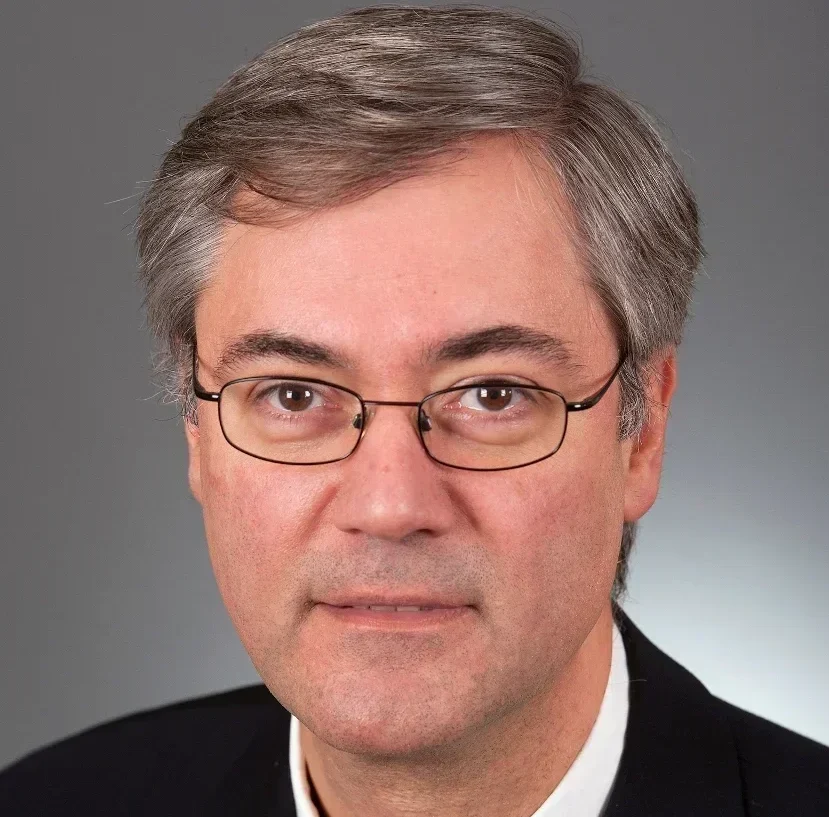
Boston Children’s Hospital
Dr. Mustafa Sahin is the Neurologist-in-Chief, a pediatric neurologist, and a developmental neurobiologist at Boston Children’s Hospital and Bronson Crothers Professor of Neurology at Harvard Medical School. He received his ScB degree from Brown University and his MD and PhD from Yale School of Medicine. He completed a pediatrics residency at Children’s Hospital of Philadelphia and a child neurology residency at Boston Children’s Hospital. At Boston Children’s, he directs the Multi-disciplinary Tuberous Sclerosis Program. He is also the co-PI of the Intellectual and Developmental Disabilities Research Center. He directs a national consortium to study biomarkers and comparative pathobiology in four genetic disorders (TSC, PHTS, Phelan McDermid Syndrome and SYNGAP1-ID) all associated with autism and intellectual disability, known as the Developmental Synaptopathies Consortium. He was elected to the National Academy of Medicine in 2023.
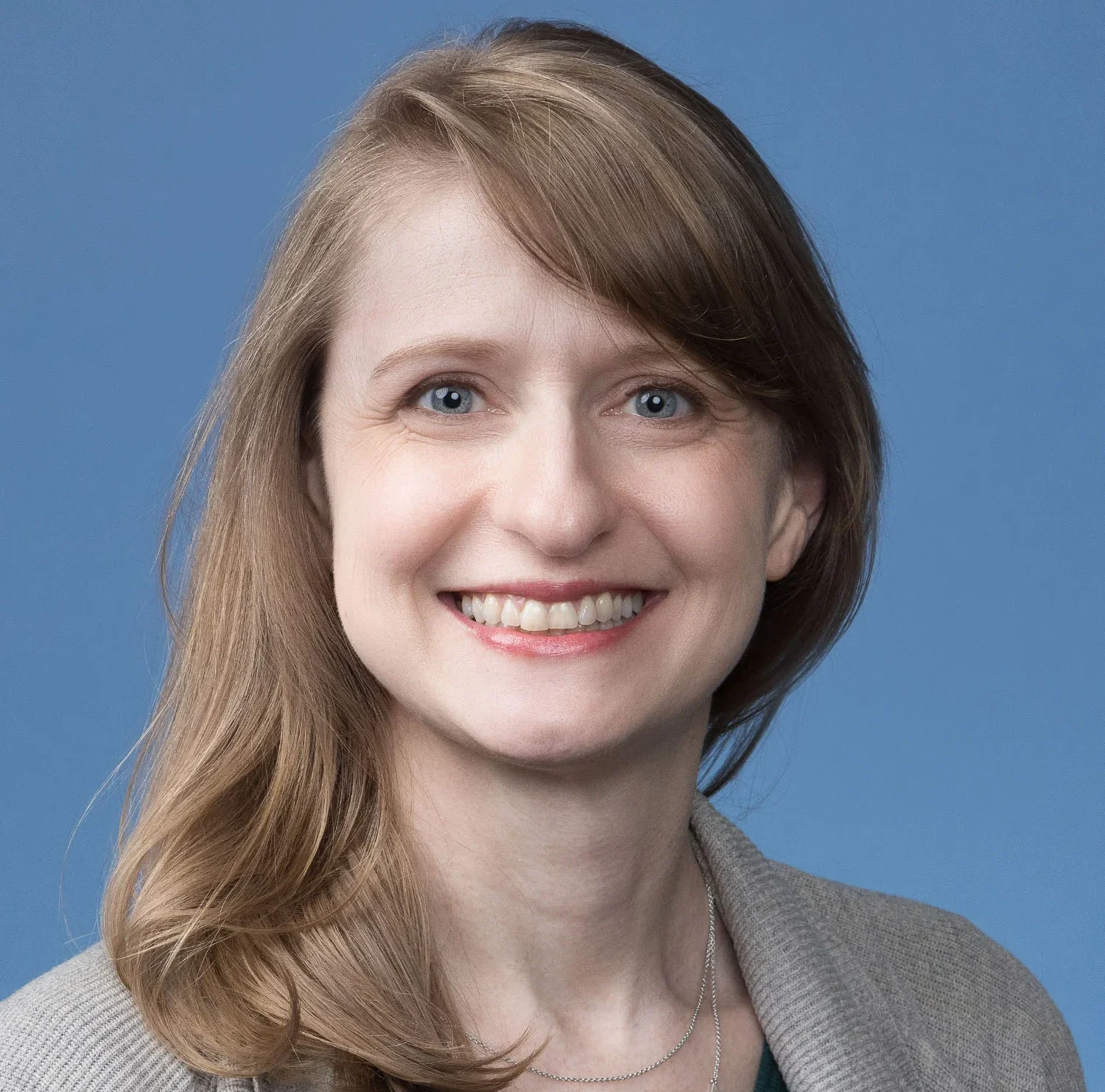
Children’s Hospital Los Angeles
Dr. Charlotte DiStefano is a clinical psychologist who specializes in neurodevelopmental disorders and related neurogenetic syndromes. She is an Assistant Professor of Neurology and Pediatrics at the University of Southern California and Children’s Hospital Los Angeles.
After receiving a B.S. in Special Education from New York University and an Ed.M. in Mind Brain and Education from Harvard University, Dr. Charlotte DiStefano received her Ph.D. in Psychological Studies in Education from University of California Los Angeles. She completed her postdoctoral training in developmental neuroscience at the UCLA Center for Autism Research. Before earning her Ph.D., Dr. DiStefano worked as a special education teacher in both New York City and Los Angeles.
Clinically, Dr. DiStefano is the Lead Psychologist for Autism and Neurodevelopmental Services in the Developmental and Behavioral Health Program at Children’s Hospital Los Angeles, where she oversees evaluation and treatment of children with neurodevelopmental disorders.
Dr. DiStefano’s primary research interests are language and cognitive development in children with neurodevelopmental disorders, particularly those who are minimally verbal. Her work has been funded by the Dup15q Syndrome Alliance, Angelman Syndrome Foundation, Autism Science Foundation, Autism Speaks and National Institute of Deafness and Communication Disorders.
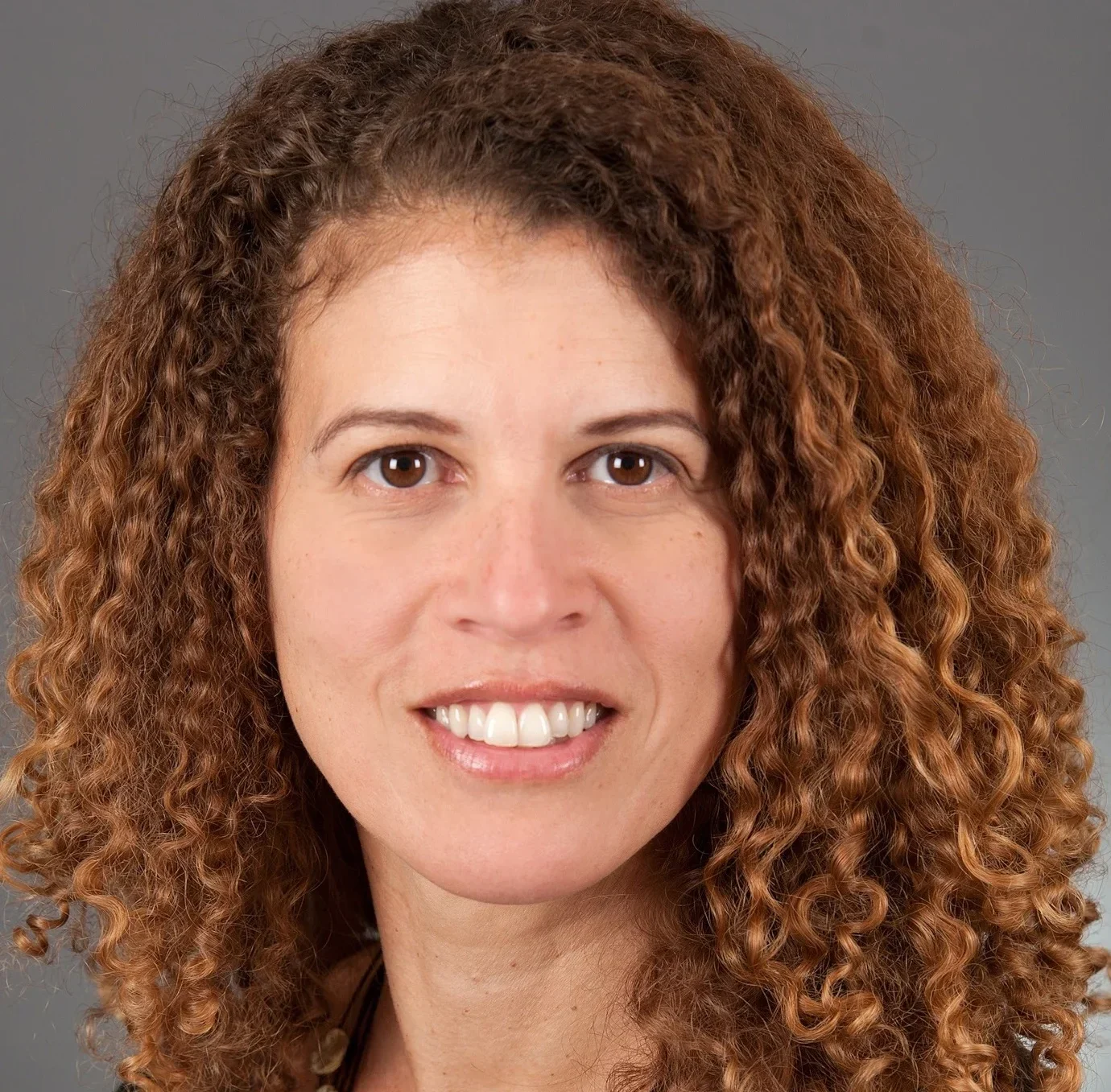
Boston’s Children’s Hospital
Stephanie Jo Brewster is a board-certified and licensed genetic counselor with over 25 years of clinical research experience. She has a longstanding interest in the ethical issues surrounding genetic and translational research and its impact on participating families. In her current and previous positions, Ms. Brewster has implemented and overseen numerous pediatric studies andclinical trials providing guidance on protocol and consent form development, IRB facilitation, infrastructure creation, and study staff supervision. She has acted as a consultant to biotech companies conducting clinical research, has served on numerous committees of the National Society of Genetic Counselors and served for 12 years on the Boston University School of Medicine Genetic Counseling Program Advisory Board. Ms. Brewster is a current member of the Boston Children’s Institutional Review Board and its EDI subcommittee. She is also a strategic advisor to the Developmental Medicine-Clinical Research Laboratories (DM-CRL).
Ms. Brewster received her Bachelor of Science degree in Biology from Syracuse University and her Master of Science degree in Human Genetics from Sarah Lawrence College. Ms. Brewster is board-certified by the American Board of Genetic Counseling and licensed by the Massachusetts Genetic Counseling Board of Registration.
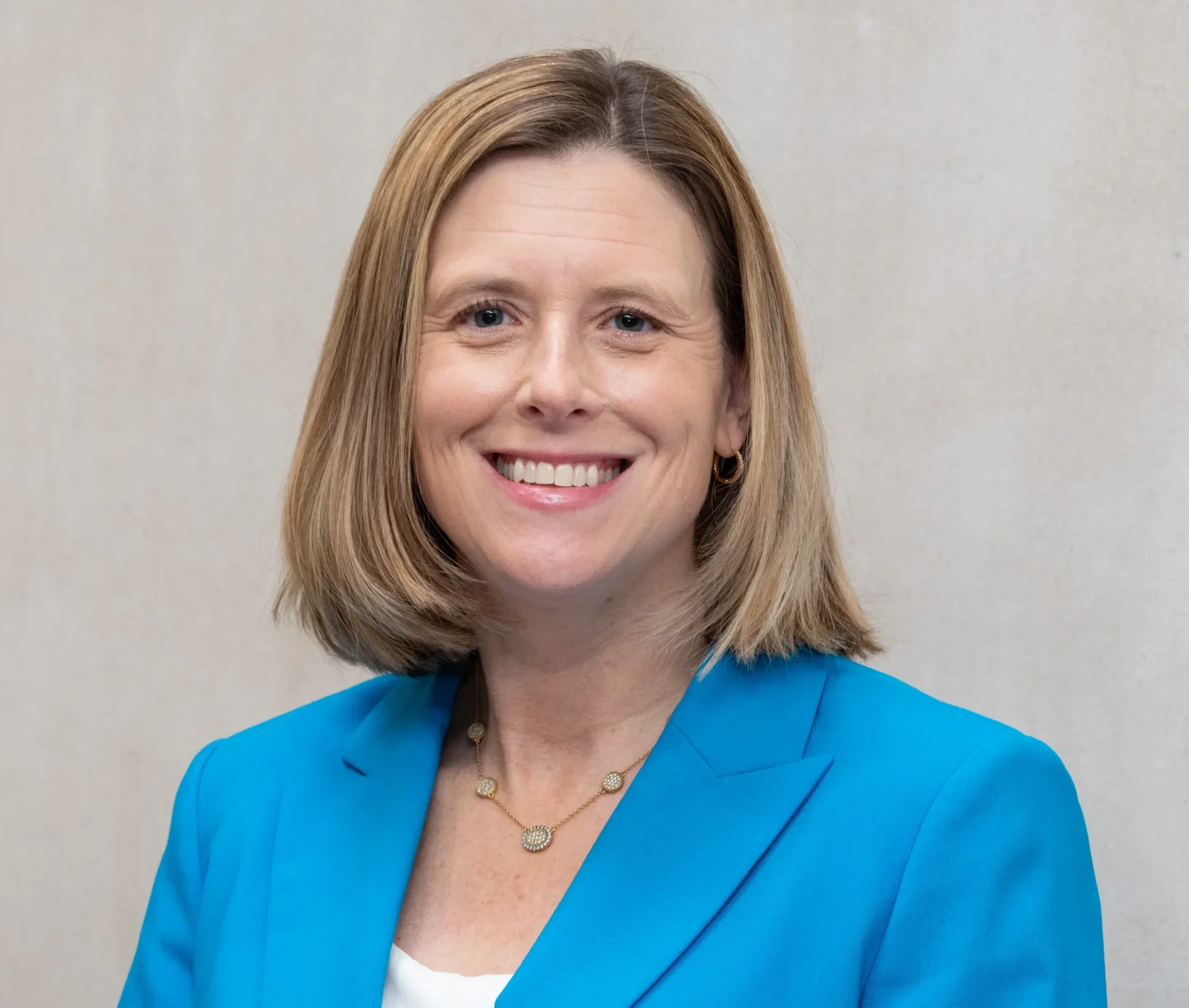
Boston’s Children’s Hospital
Ms. Dies received her ScM in Genetic Counseling in 2003 from a joint program through Johns Hopkins Bloomberg School of Public Health and the National Human Genome Research Institute. She is a board certified and licensed genetic counselor in Massachusetts. She has worked in various roles at Boston Children’s Hospital (BCH), including Senior Genetic Counseling Program Manager and Co-Director of Clinical Research Operations of the Translational Neuroscience Center. In January 2021, she was named Executive Director of the new Rosamund Stone Zander Hansjoerg Wyss Translational Neuroscience Center at BCH.
In 2024, Ms. Dies completed a fellowship in bioethics at the Harvard Medical School Center for Bioethics. She is an Ethics Associate on the Ethics Advisory Committee and co-directs the Research Subcommittee of the Neuroscience Family Advisory Council at BCH. Additionally, she is a clinical instructor at the Boston University School of Medicine Genetic Counseling Graduate Program where she co-teaches the ethics curriculum. She is also a faculty member of the Boston Leadership Education in Neurodevelopmental and related Disabilities (LEND) Program.
In addition, she serves on the Board of Directors for the CureAP4 hereditary spastic paraplegia patient advocacy organization. She is on the Board of Directors and serves as Treasurer for New England Regional Genetics Group (NERGG). She also volunteers as an activity coordinator for Special Olympics in Massachusetts.

University of California, Los Angeles
Dr. Dickinson is an Assistant Professor at UCLA. Drawing on her expertise in high-density electroencephalography (EEG) and signal processing, Dr. Dickinson’s research seeks to characterize neurophysiological signatures that can help us understand individual variations in behavior and cognition in ASD. In this context, Dr. Dickinson has developed several innovative methods to assess and quantify brain network function in developmental populations, resulting in neural indicators that are now being explored for tracking intervention outcomes.
Dr. Dickinson obtained her MSc in Cognitive and Computational Neuroscience and her PhD from the University of Sheffield, UK. In 2016, she joined UCLA as a postdoctoral researcher, where she currently directs the Center for Autism Research and Treatment (CART) EEG Lab. Dr. Dickinson has recently launched a new research program focused on aging, which seeks to characterize age-related neural and biological correlates in adults with ASD.
Boston Children’s Hospital
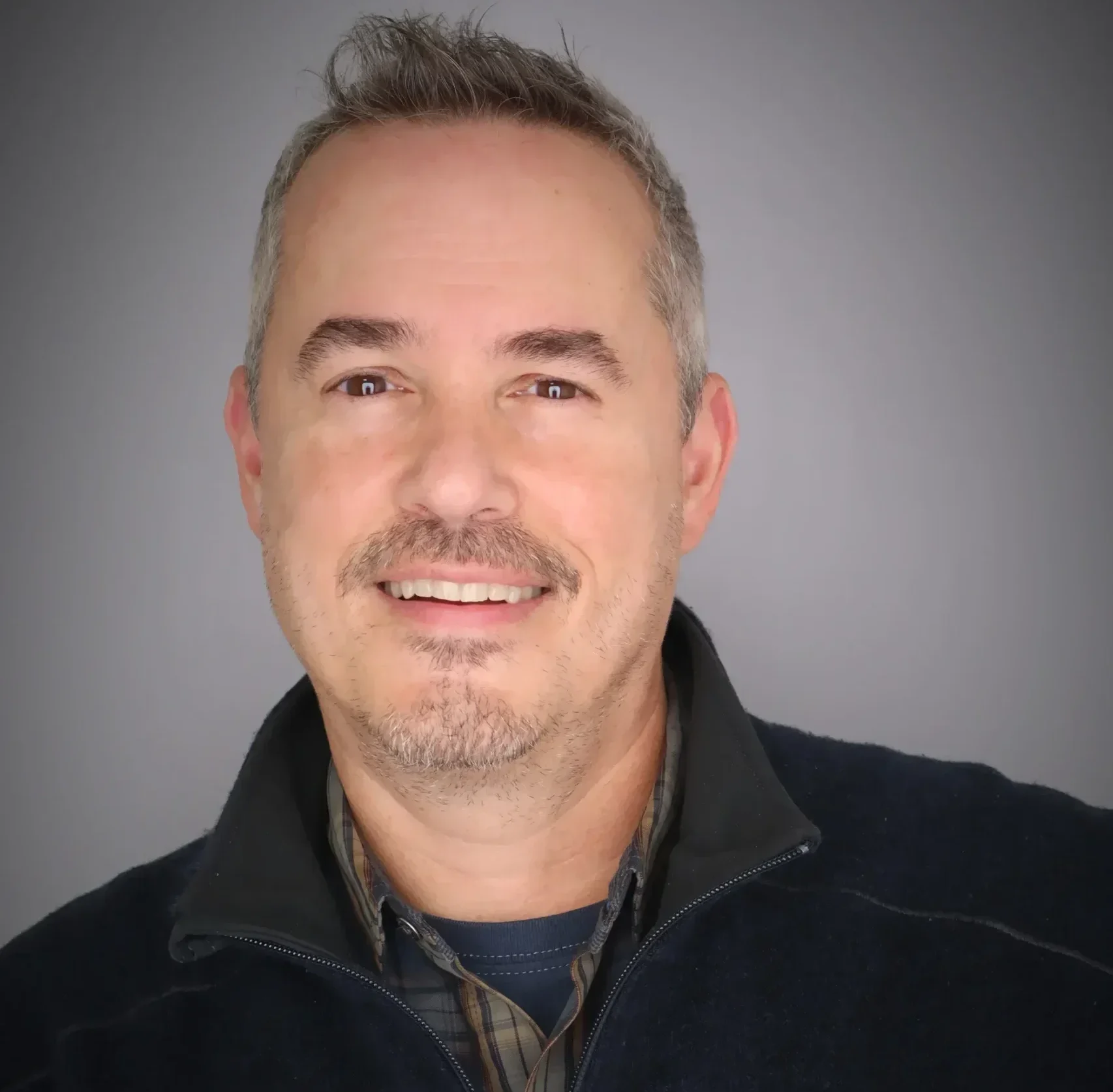
Brian is thrilled to join the ARIA IMPACT Network as a Senior Clinical Research Program Manager, bringing with him 25+ years of experience developing and supporting multi-site research focused on neurodevelopmental disorders. Prior to joining the Boston Children’s Hospital IMPACT Clinical Coordinating Center team, Brian worked at Mass General Hospital for 20 years, developing and managing a research portfolio of collaborative, interdisciplinary networks that aimed to improve clinical care and quality of life for children with autism and their families. Brian deeply believes in the power of networks to solve complex issues through strong leadership, clear communication, and innovation. He has a successful track record in enhancing research infrastructures and fostering collaborative partnerships across stakeholders and is excited to be part of the IMPACT Network efforts.